The AI landscape is evolving at an unprecedented pace, with new tools emerging that fundamentally reshape how work gets done across industries. What was once limited to experimentation has now become an essential layer of modern workflows influencing how teams think, create, analyze, and execute on a daily basis. From strategic decision-making and deep research to design, development, and operational efficiency, AI tools are no longer optional; they are becoming core infrastructure.
The Best AI Tools in 2026
1. Claude Best for advanced reasoning, long-form writing, coding workflows, and deep document analysis.
2. ChatGPT Best for general productivity, ideation, writing, brainstorming, and everyday AI assistance.
3. Gemini Best for multimodal search, deep research, Google ecosystem workflows, and information synthesis.
4. Figma Make Best for AI-assisted interface generation, rapid prototyping, and UI design ideation.
5. Perplexity AI Best for real-time cited research, market intelligence, and fact-based answers for decision-making.
1. Claude
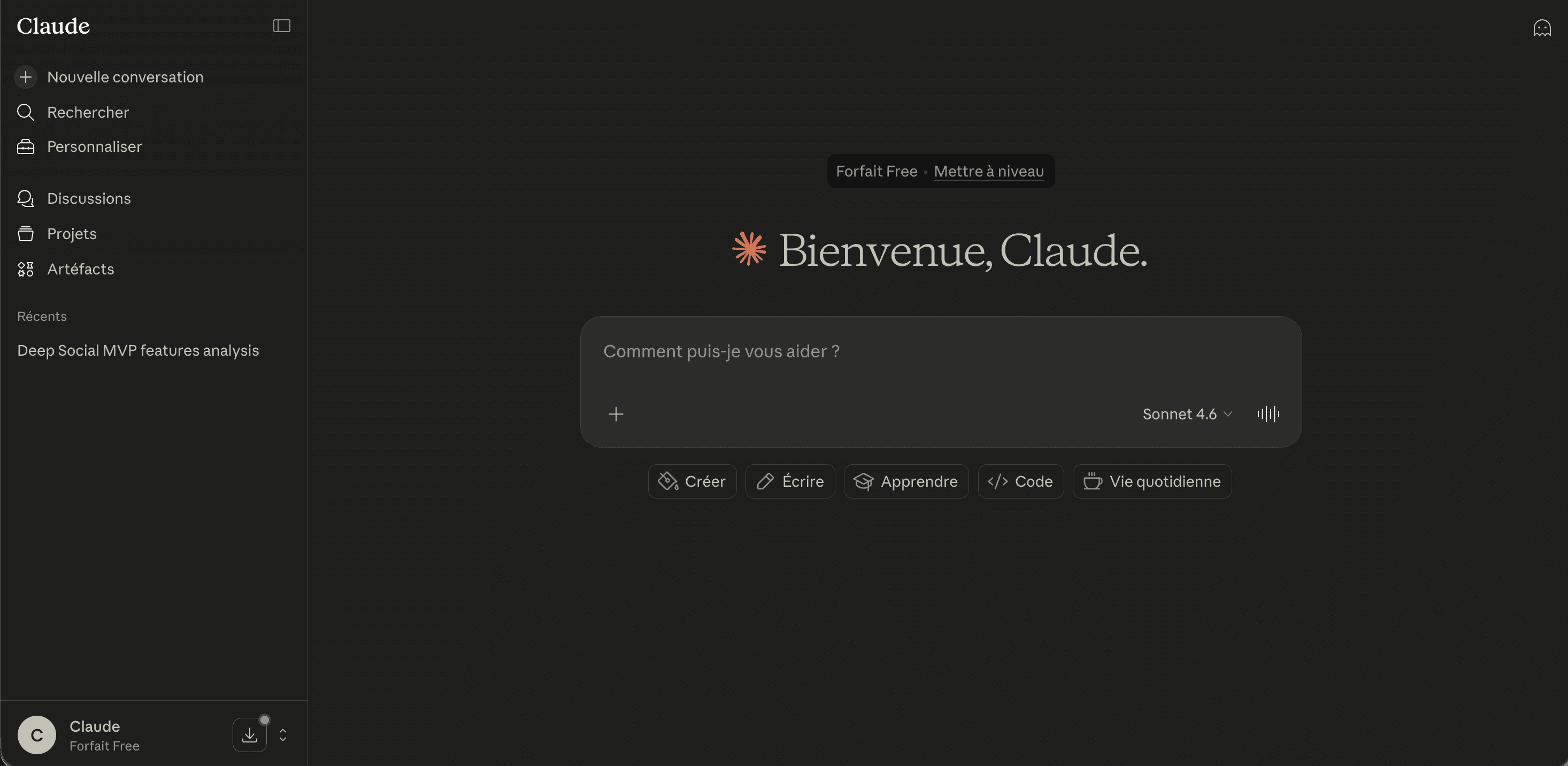
Use it for :ReasoningLong-form WritingCode AnalysisDocument Processing
Claude is an AI assistant built for depth. It's particularly strong when working with long documents, complex ideas, and tasks that require structured thinking. Whether you're reviewing reports, writing detailed strategies, or analyzing large amounts of information, Claude maintains clarity and coherence even with high-context inputs. One of Claude's biggest strengths is its ability to process and understand long content without losing context. You can upload extensive documents - like research papers, business reports, or codebases and ask detailed questions, generate summaries, or extract insights with precision. Claude is also widely used by developers for coding tasks, especially when working with large or complex codebases. It helps break down problems, suggest improvements, and generate structured solutions. There's a free version available, with advanced capabilities unlocked through paid plans.
2. ChatGPT

Use it for :ProductivityWritingIdeationAutomation
ChatGPT is one of the most widely used AI assistants today, known for its versatility across both professional and everyday tasks. It can help with writing, research, ideation, coding, and problem-solving all within a simple conversational interface. The tool is especially useful for document analysis. You can upload PDFs, spreadsheets, or notes and ask it to summarize information, identify trends, or extract key insights quickly. ChatGPT also connects with a growing ecosystem of tools, including advanced image and video generation capabilities. This makes it useful not only for analytical tasks, but also for creative production and content generation. A free version is available, with more advanced features included in paid plans.
3. Gemini
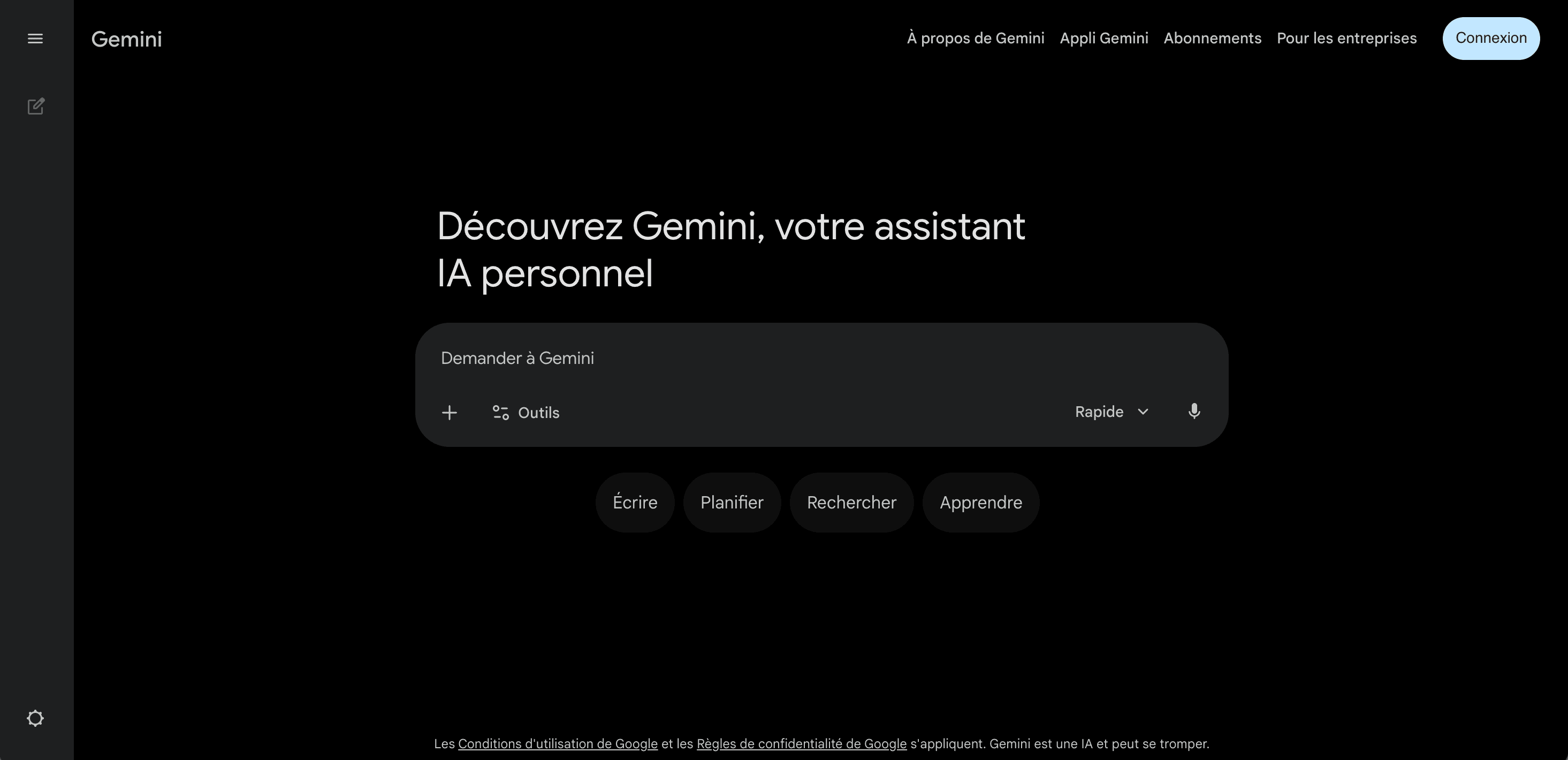
Use it for :ResearchSearchData AnalysisMultimodal
Gemini is Google's AI assistant, designed to handle a wide range of tasks from research and writing to data analysis and content creation. It's particularly strong when working within the Google ecosystem, making it a natural extension for users already using Google tools. One of Gemini's key advantages is its ability to process large volumes of information. You can upload long documents or datasets and ask detailed questions, with responses that clearly reference and synthesize the content. Its advanced research capabilities allow it to break down complex topics into structured insights, often generating organized reports that help users understand information more effectively. Gemini also includes creative tools, such as image generation and editing features, enabling users to produce and transform visual content alongside text-based work.
4. Figma Make
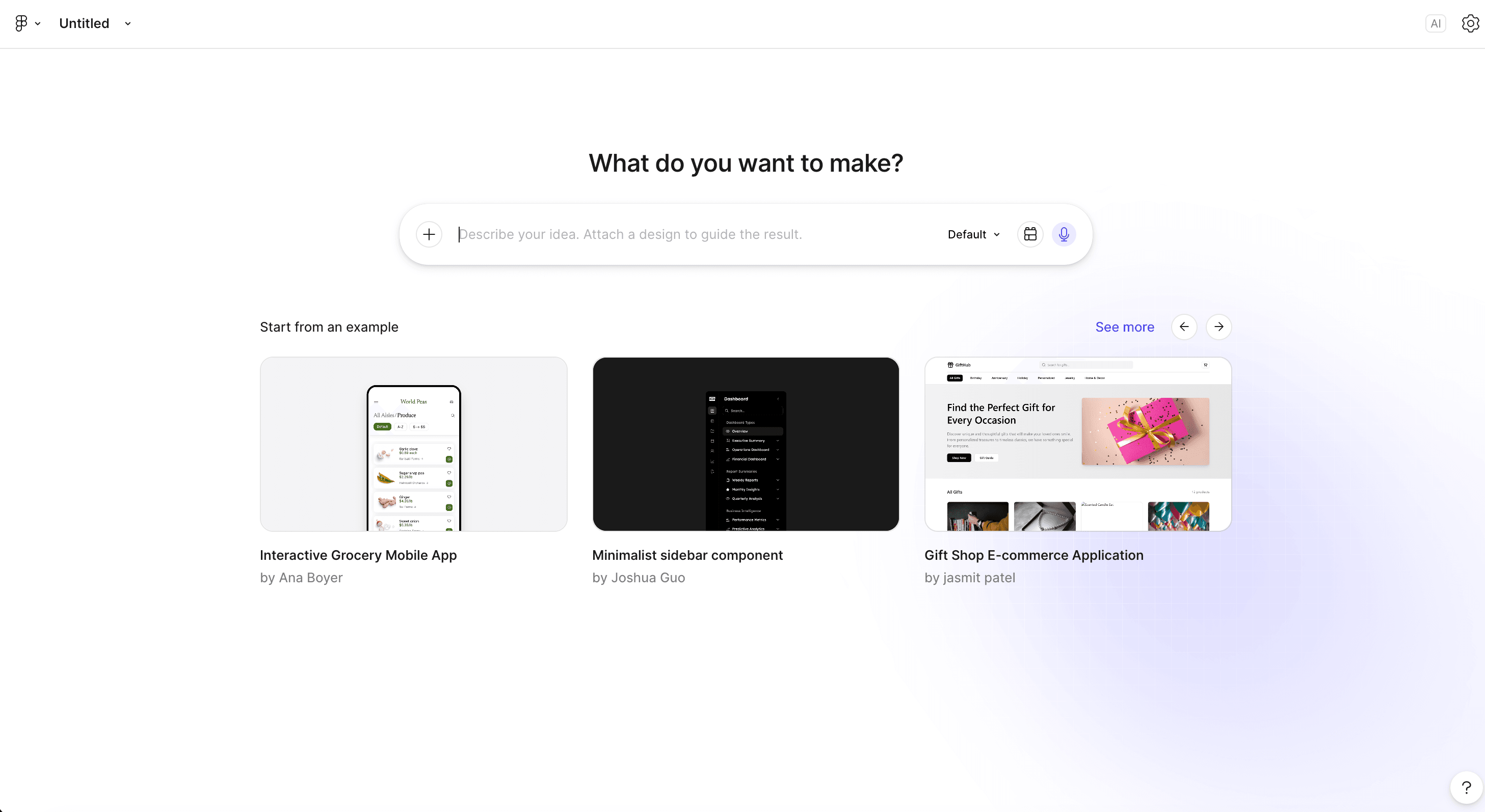
Use it for :UI DesignPrototypingCreative AIProduct Design
Figma Make brings AI into the design workflow, allowing users to generate interface concepts, layouts, and components directly from prompts. It's especially useful for designers and product teams looking to move quickly from idea to visual prototype. Instead of starting from a blank canvas, users can describe what they want to build and instantly generate structured UI designs. This accelerates early-stage ideation and helps teams explore multiple directions in less time. Figma Make integrates naturally with Figma's design environment, making it easy to refine, edit, and iterate on generated designs. It's a powerful tool for bridging creativity and execution in modern product design.
5. Perplexity AI
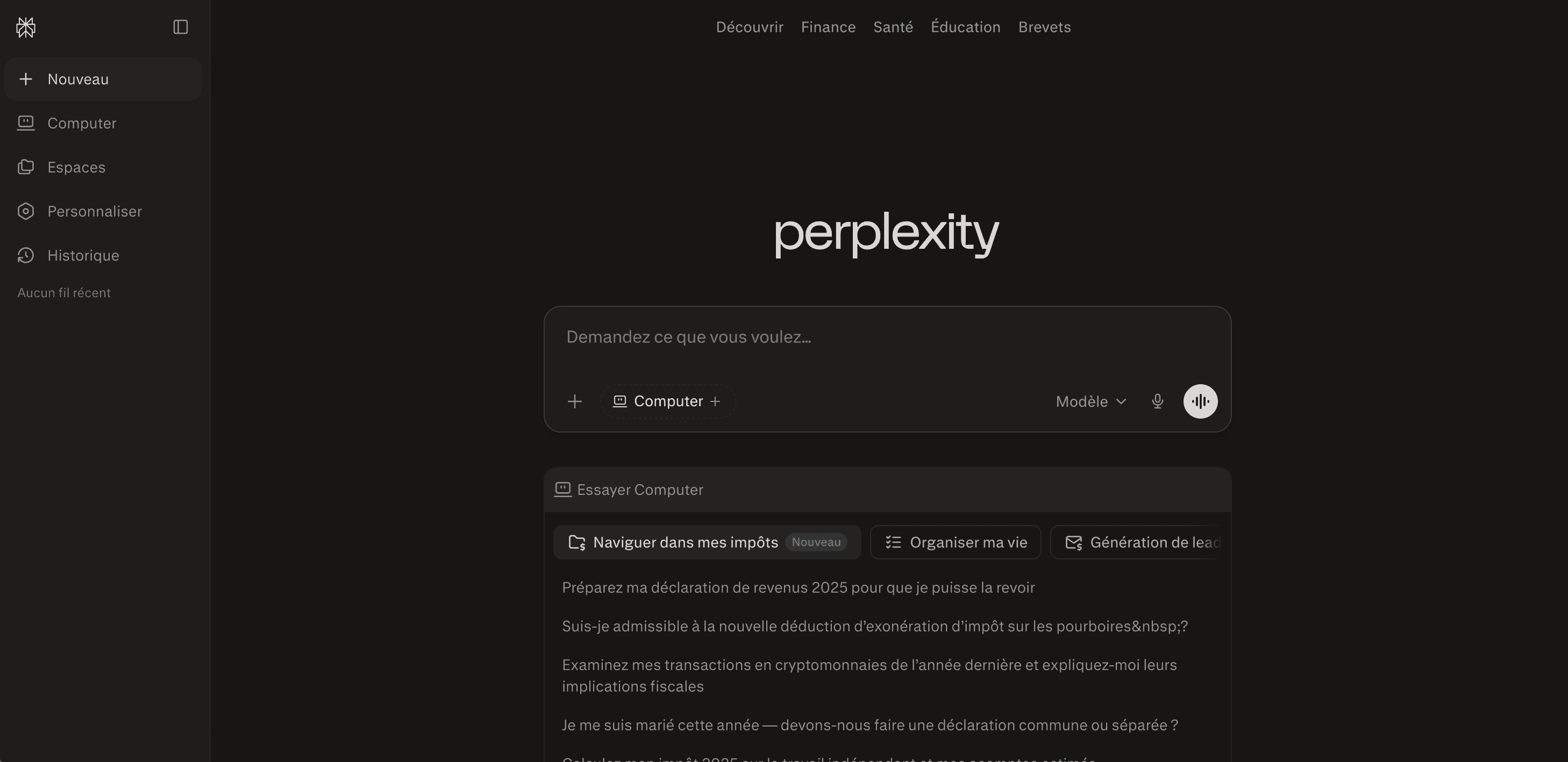
Use it for :ResearchFact-checkingMarket IntelligenceReal-time Data
Perplexity AI is a research-focused AI tool that combines conversational answers with real-time web data and cited sources. It's particularly useful for users who need reliable, up-to-date information for decision-making. Unlike traditional AI assistants, Perplexity provides references alongside its answers, allowing users to verify information and explore sources directly. This makes it ideal for market research, competitive analysis, and fact-based inquiries. Its speed and accuracy make it a favorite among professionals who need quick, trustworthy insights without spending hours searching manually.